
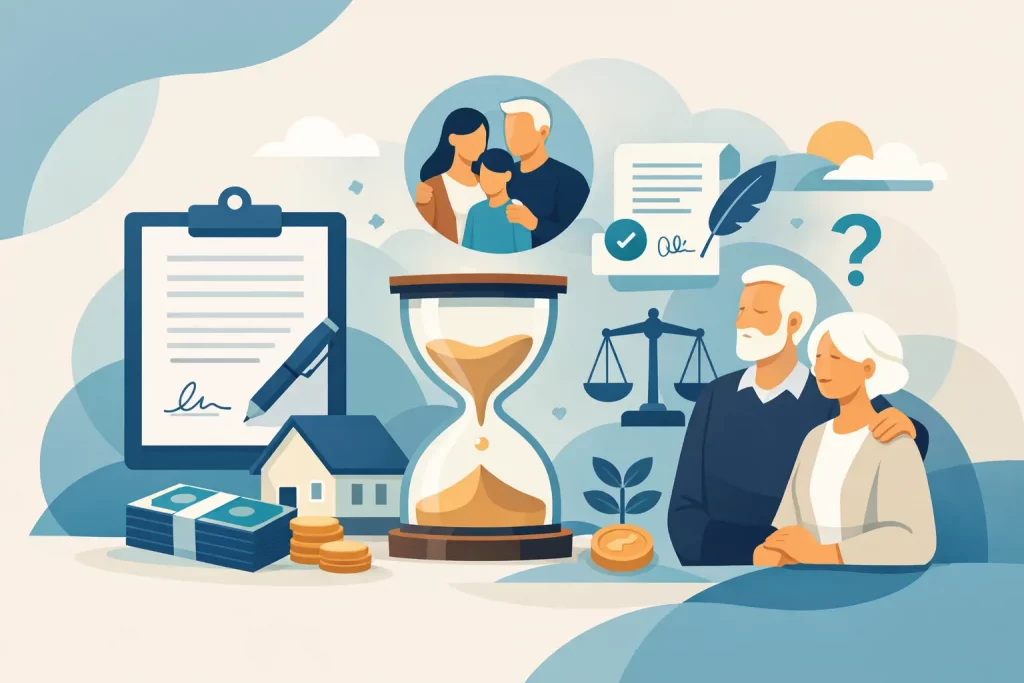
Most people do not wake up one morning excited to sort out their will. It usually comes to mind after a life event – buying a home, getting married, having children, or dealing with the estate of someone close to you. If you have been asking when should you make a will, the honest answer is usually sooner than you think.
A will is not just for later life or for people with significant wealth. It is a practical way to make sure your wishes are clear, the right people are looked after, and your family is not left trying to guess what you wanted at an already difficult time.
When should you make a will? Usually at the first sign life is becoming more complicated
There is no perfect age to make a will, but there are plenty of clear moments when putting one in place moves from “something to do one day” to something genuinely sensible. If you are over 18 and you have people, property, savings, or responsibilities that matter to you, a will is worth considering.
For many people, the first major trigger is buying a property. Once you own a home, especially with a partner or spouse, your estate is no longer just a few personal belongings and a bank account. The way your property is owned can affect what happens after death, and a will helps make your intentions clear.
Marriage is another key point. In England and Wales, marriage can revoke an existing will unless it was made in contemplation of that marriage. That catches many people out. They assume an old will still stands, when in fact their circumstances have changed so much that it may no longer reflect their wishes or, in some cases, may no longer be valid.
Having children is often the moment the conversation becomes urgent. A will lets you appoint guardians, which can be one of the most important decisions a parent makes. Without a valid will, those decisions may be left to the courts, and your estate may not pass in the way you would have chosen.
The biggest mistake is waiting for the “right time”
Many people delay making a will because they think they are too young, do not have enough money, or want to deal with it later. In practice, later can become years. During that time, life keeps changing.
The problem with waiting is not only what happens if you die without a will. It is also that your family may face more stress, delay, and uncertainty. Dying intestate means the law decides who inherits according to fixed rules. Those rules do not always match modern family life.
That is especially true for unmarried couples, blended families, and people who want to leave something to stepchildren, close friends, or a favourite charity. If your wishes fall outside the standard legal order, a will becomes even more important.
There is also a common belief that everything automatically goes to a partner. That is not always the case, particularly if you are not married or in a civil partnership. Long-term partners can be left in a very difficult position without proper planning.
Life events that mean you should make a will now
Some situations make the answer to when should you make a will very straightforward. If any of these apply, it is wise to act sooner rather than later.
You have children or dependants
If anyone relies on you financially or practically, a will helps protect them. Parents often focus on money, but guardianship is just as important. Naming trusted guardians can provide clarity and reassurance at a time when your family would need it most.
You own a home
Property is often the largest asset in an estate. A will can work alongside how the property is owned and your wider plans for your family. Without one, the outcome may not be what you expect.
You are married, divorced, or remarried
Changes in relationship status often affect inheritance plans. A divorce may alter what you want to happen, while remarriage can have legal consequences for any will already in place. Blended families in particular benefit from careful, personalised planning.
You run a business or have more complex finances
Business owners, landlords, and those with investments usually need more than a basic assumption that “the family will sort it out”. A will can help avoid confusion and reduce the risk of disputes or unnecessary complications.
You want to choose who inherits
Even where the family situation seems simple, many people have personal wishes that intestacy rules do not cover well. You may want to leave specific gifts, provide for one person in a particular way, or make sure your estate is handled by executors you trust.
Is there an age when you should make a will?
People often ask whether making a will is something for your fifties, sixties, or retirement. The truth is that age on its own is not the best guide. Responsibility is usually the better one.
A person in their thirties with a mortgage and two children may need a will far more urgently than a retired person with very simple circumstances already covered by an up-to-date document. Equally, later life brings its own reasons to review matters carefully, including inheritance planning, concerns about care, and support for adult children or grandchildren.
So while many people first make a will in middle age, there is no benefit in waiting for a particular birthday. If your death would leave behind decisions, assets, or unanswered questions, that is reason enough.
Making a will is not only about death
This is often the turning point for people who have been putting it off. A will is not a gloomy exercise. It is a way of making life easier for the people around you.
Clear instructions can save your family from avoidable disagreements. They can speed up administration, reduce uncertainty, and help ensure the right people are in the right roles. That matters whether your estate is modest or substantial.
For some families, a will is also part of a wider planning picture. Once people start thinking about what happens after death, they often realise they should also consider powers of attorney. A will deals with what happens after you die. Lasting powers of attorney help protect you while you are still alive if you lose capacity. The two often sit sensibly together.
What if you already have a will?
Asking when should you make a will can also mean asking whether the one you made years ago still does the job. A will should not be filed away and forgotten about forever.
It is worth reviewing your will after any major life change, especially marriage, divorce, the birth of children or grandchildren, buying or selling property, or a significant change in finances. Even without a major event, a regular review is sensible. Families change, relationships change, and the people you once chose as executors or guardians may no longer be the right fit.
An out-of-date will can be almost as unhelpful as no will at all if it creates confusion or fails to reflect your current wishes. A straightforward review can often provide real peace of mind.
Why professional guidance matters
It can be tempting to treat a will as a simple form-filling exercise. Sometimes circumstances are straightforward. Often, they are not quite as simple as they first appear.
Children from previous relationships, jointly owned property, vulnerable beneficiaries, business interests, inheritance tax concerns, and worries about future care can all affect how a will should be prepared. The wording matters, and so does the broader advice around it.
That is why many people prefer to speak to a specialist who can explain things clearly and tailor the will to their circumstances. A calm, personal conversation often removes much of the uncertainty. For clients across Wolverhampton and the surrounding areas, that is exactly why businesses such as Your Will Writers focus on making the process simple, straightforward, and stress-free.
If you are wondering when should you make a will, take that as your sign
People rarely regret making a will. What they regret is leaving it too long. Once it is done, there is usually a real sense of relief. You know your wishes have been recorded properly, and your family has one less burden to face later.
You do not need to have every detail of your future mapped out. You simply need a clear starting point based on your current life, your responsibilities, and the people who matter to you. A will can always be reviewed as life changes.
If the thought has been sitting in the back of your mind for a while, that usually tells you something. The right time is often not after the next birthday, the next move, or the next milestone. It is when you first realise that peace of mind would be worth having now.