
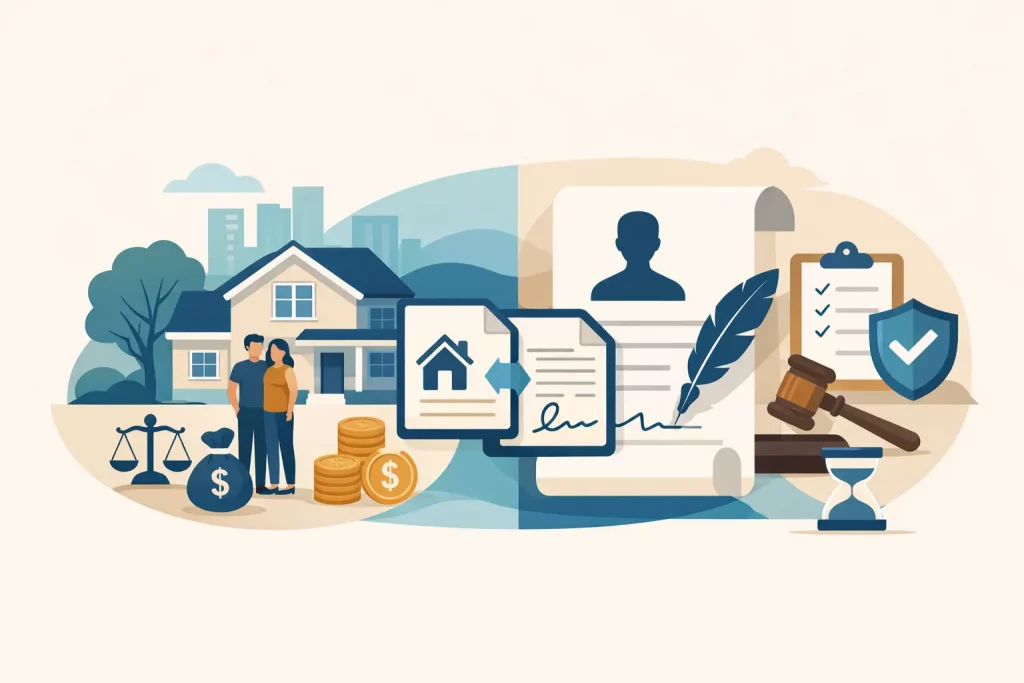
A lot of people ask the same question once they start thinking seriously about the future: does estate planning include wills? The short answer is yes, it does. But a will is only one part of the wider picture, and relying on that one document alone can leave important gaps.
That matters more than many families realise. A will can say who should inherit your estate and who should deal with it after your death, but estate planning also looks at what happens if you lose capacity during your lifetime, how your assets are owned, whether trusts may help, and how to reduce confusion or disputes for the people you leave behind.
Does estate planning include wills, or is it something different?
Estate planning includes wills, but it is not limited to them. Think of a will as one key part of the plan rather than the whole plan itself.
A will usually sets out who you want to benefit from your estate, who you appoint as executors, and, if you have young children, who you would like to act as guardians. It is an essential document for many people because without one, the law decides who inherits under the intestacy rules. That can lead to outcomes you did not want, especially for unmarried couples, stepchildren, or more complex family arrangements.
Estate planning goes further. It looks at your personal circumstances as a whole and asks practical questions. Do you own your home jointly? Do you want to protect assets for children from a previous relationship? Have you considered who could make decisions if you were no longer able to manage your affairs? Could a trust be appropriate? Are your beneficiary wishes in other areas consistent with your will?
In other words, a will is central, but it is not always enough on its own.
What sits alongside a will in estate planning?
The answer depends on your family, finances and wishes, but there are several areas that often sit alongside a will in a proper estate plan.
Lasting powers of attorney
Many people focus on what happens after death and overlook what could happen during life. If illness, an accident, or conditions such as dementia affect your ability to make decisions, a lasting power of attorney can allow someone you trust to step in.
There are two types in England and Wales – one for property and financial affairs, and one for health and welfare. These documents can be just as important as a will, because they deal with periods of incapacity when bills still need paying and decisions still need making.
Without them, loved ones may face a much more difficult and expensive process to gain authority.
Trusts
Trusts are not right for everyone, but they can be very useful in the right circumstances. They may help protect assets for children, vulnerable beneficiaries, or families where there are concerns about remarriage, bankruptcy, or sideways disinheritance.
For example, a couple may wish to ensure that the surviving partner can continue living in the property while preserving the underlying inheritance for children. In that situation, a trust within the will may be worth considering.
This is where estate planning becomes more tailored. Two households with similar assets can still need very different solutions.
Ownership of property and assets
How assets are held can affect what happens on death. Jointly owned property, for instance, may pass automatically to the surviving owner depending on the form of ownership. That means the will may not control it in the way you expect.
This can come as a surprise. Someone may assume their will covers everything, only to find that a jointly held asset passes outside it. Reviewing ownership arrangements is therefore an important part of estate planning.
Beneficiary nominations and wider planning
Some assets do not always pass under the will. Pensions, life policies and certain other arrangements may involve nomination forms or separate rules. If these are out of date, they can undermine the intentions in your will.
Good estate planning checks that the different parts of your affairs work together rather than pulling in different directions.
Why having only a will may not be enough
A will is often the right starting point, but starting is not the same as finishing.
Take a straightforward example. A person makes a will leaving everything to their spouse, but never puts a lasting power of attorney in place. If they later lose capacity, their spouse may still have no automatic right to manage bank accounts or deal with property in the way people often assume.
Or consider a second marriage. A simple will leaving everything to the surviving spouse may work perfectly well for one family, yet create risk for another if the intention was ultimately to protect children from a previous relationship. In those cases, extra planning may be sensible.
There is also the issue of outdated documents. A will made years ago may no longer reflect current wishes, family relationships, tax considerations, or property ownership. Estate planning is not a one-off exercise that gets filed away forever. It should keep pace with life.
When does estate planning become especially important?
The truth is that most adults can benefit from some level of planning, but certain life events make the need more obvious.
Buying a home, getting married, entering a second relationship, having children, receiving an inheritance, running a business, or caring for an elderly parent can all change what you need. Retirement often prompts people to review matters too, particularly when they want to make things easier for family and avoid unnecessary complications later.
People sometimes assume estate planning is only for the wealthy. That is not the case. If you own a property, have savings, want to choose who inherits, or care about who would make decisions for you if you became unwell, estate planning is relevant.
It is less about status and more about clarity.
Does estate planning include wills for couples and parents?
Yes, and for couples and parents the wider planning point is often even more important.
Couples may need to think about mirror wills, property ownership, inheritance protection after the first death, and what should happen if both die unexpectedly. Parents of young children may also need to appoint guardians. Without that, there may be uncertainty at a very difficult time.
Blended families usually need even closer attention. A plan that seems fair on the surface can have unintended consequences later if there are children from previous relationships or differing expectations between family members.
That is why simple documents still need careful thought. A well-drafted will can help, but the surrounding advice matters too.
A practical way to think about estate planning
If the phrase itself sounds broad or intimidating, it may help to translate it into plain English. Estate planning is really about answering a few important questions clearly.
Who should inherit from you? Who should deal with matters after your death? Who would make decisions if you lost capacity? Do you want to protect assets for specific people or over the longer term? Are your arrangements likely to prevent stress rather than create it?
A will answers some of those questions. A full estate plan answers more of them.
For many families, the best approach is to start with a conversation rather than a legal checklist. Once your circumstances are understood properly, it becomes easier to see whether a straightforward will is enough or whether powers of attorney, trusts, or a review of ownership arrangements should also be part of the picture.
That is often where peace of mind comes from. Not from having the most complex paperwork, but from knowing the right protections are in place for your situation.
Getting the balance right
There is no single estate plan that suits everyone. Some people need a simple will and nothing more. Others need a more joined-up arrangement because of family structure, property, business interests, or concerns about future vulnerability.
The key is not to assume that a will automatically covers every issue. It is an essential foundation, but estate planning looks at the full landscape – death, incapacity, asset protection, and family practicalities.
If you are asking whether estate planning includes wills, you are already asking the right question. The next step is making sure your answer fits real life, not just a form. A clear, personal plan now can spare your family a great deal of uncertainty later, and that is often the kindest thing you can put in place.